AI Search Visibility: How to Get Found in ChatGPT, Perplexity and Google AI
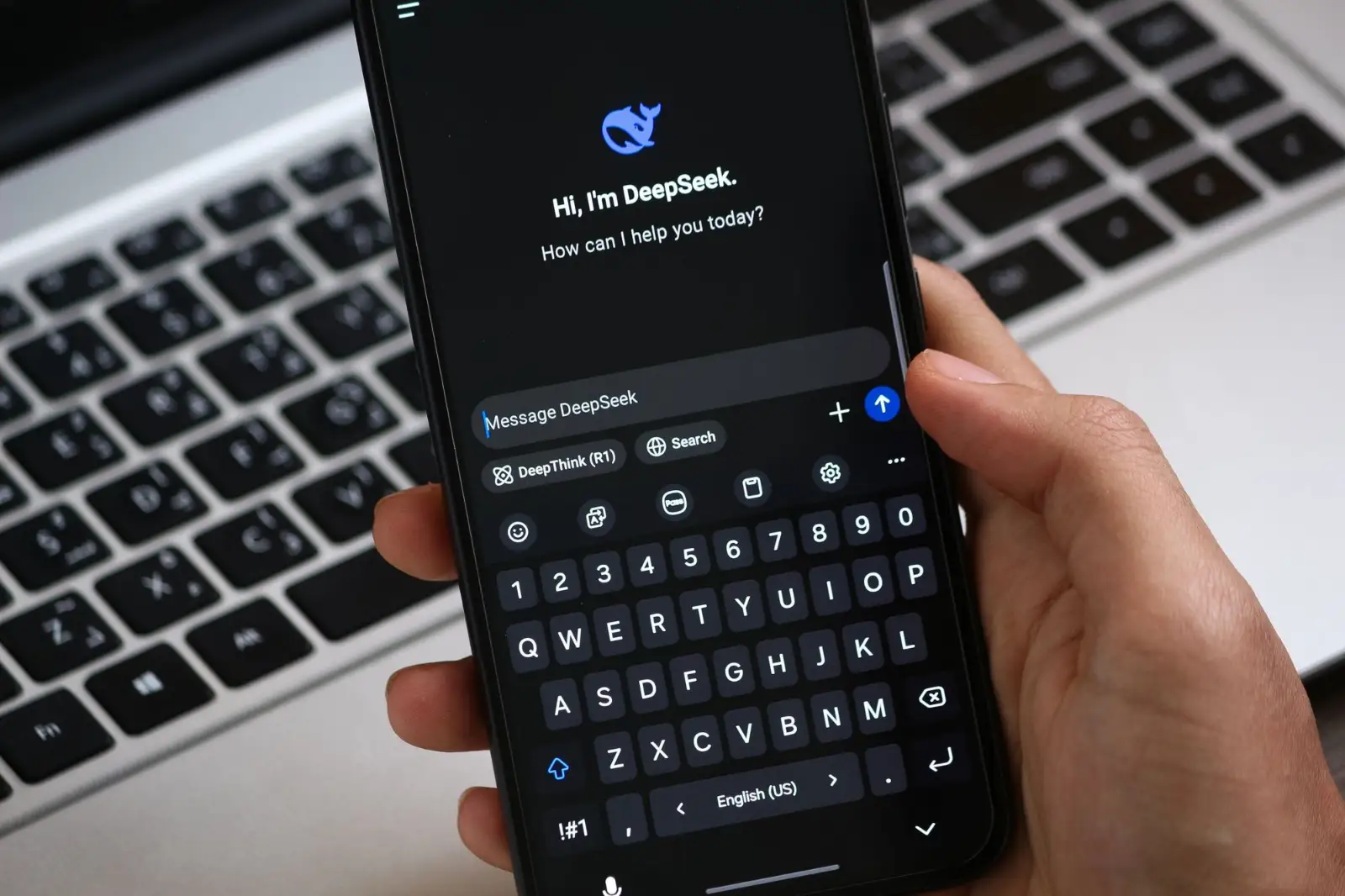
Every owner I talk to has heard some version of the same claim: AI answers are replacing search, and if you're not in ChatGPT you're invisible.
It's half right. More people do ask an AI assistant for recommendations before they click anything. But Google still drives most demand for most service businesses, and the work that earns AI visibility looks a lot like good SEO done properly.
Here's how I think about AI search visibility and what to do about it now.
A channel to measure, not a reason to panic
The worst response is to rip up a search strategy that's working. The second worst is to ignore AI entirely.
Treat AI assistants like any new channel. Find out whether you show up, measure what it sends you, and invest in the things that improve both Google and AI results at the same time. Optimize for Google first, then extend that work to the AI platforms.
How AI assistants pick the businesses they mention
AI assistants don't all work the same way. Some lean heavily on traditional search indexes. Others draw more from review sites, directories, professional networks and community discussions. That means you can look strong in one assistant and be missing in another.

What they tend to reward:
- Clear, specific pages. A service page that says exactly what you do, for whom and where is easier to cite than a vague one.
- Authority. The same domain strength and useful content that help you rank in Google.
- Third-party validation. Reviews, relevant directories and associations, editorial mentions and community discussion. These can matter as much as your own site.
- Consistency. The same name, services and location everywhere your business appears.
A quick test: write down the questions a real buyer would ask, run them in several assistants, and note who gets mentioned and which sources get cited. That list becomes your baseline.
Structured data and content AI crawlers can read
If an AI tool can't reach or parse your site, nothing else matters. Two checks come first.
Crawler access. Make sure your security settings aren't blocking legitimate crawlers. Firewalls and bot protection can quietly turn away the tools you want reading your site.
Structured data. Schema markup tells machines who you are, what you offer, where you work and which questions you answer. Go beyond the basics. Mark up your organization, services, FAQs and how your pages relate to each other, so your content reads as a connected body of expertise, not a pile of isolated pages.
Then write for people who ask full questions. Answer them plainly on the page, near the top, in your own words. That's the content AI tools quote.
If you want help working out which pages matter most, a marketing audit is a sensible first step.
Tracking AI referrals in your analytics
You can't manage what you can't see. Start with what's already available.

- Create an AI channel in your analytics that groups visits from AI assistant domains, so they don't disappear inside general referral traffic.
- Capture the source in your CRM so you can see whether those visitors become customers, not just sessions. It's the same closed-loop idea I use for paid search attribution.
- Track your prompt list over time. Re-run the same buyer questions regularly and record whether you're mentioned, how you're described and which sources are cited.
Referral data from AI tools is still incomplete. Some visits arrive with no source at all. That's why the prompt-level tracking matters: it shows visibility even when the click data doesn't.
What to watch next: ads inside AI assistants
Advertising inside AI assistants is coming, and some platforms are already testing it. My advice is to watch closely and test small.

Right now targeting and reporting are much less controllable than search ads, and it will take time before they're a dependable source of customers. If you test, keep the budget modest, define what success looks like in advance, and keep funding what already works.
The takeaway
AI search visibility isn't a separate discipline you bolt on. It's what happens when your site is easy to crawl, your pages are clear, your structured data is complete and other credible sites talk about you. Build that, measure it across assistants, and you'll be stronger in Google at the same time.
If you'd like help building a plan, that's the kind of work I do as a growth marketing consultant. Book a 30-minute fit call and we'll see where you stand.
Questions
Is SEO dead because of AI search?
No. AI assistants lean on the same signals good SEO builds: a crawlable site, clear pages, authority and third-party mentions. AI visibility adds layers on top of SEO rather than replacing it, and Google still drives most demand for most businesses.
How do I see traffic coming from ChatGPT?
Check referral sources in your analytics for AI assistant domains, and group them into their own channel so they don't hide inside 'referral.' Then add a lead-source field in your CRM so you can see whether those visits turn into customers.
Should I advertise on ChatGPT yet?
Treat it as a small experiment, not a budget shift. Targeting and reporting inside AI assistants are still much less controllable than search ads, so protect what already works first.
What is generative engine optimization?
It's the practice of making your business easy for AI tools to understand, trust and cite. In practice that means clear service pages, structured data, crawler access and credible mentions on other sites.
Where I can help
Related insights
- AI Website Redesign: How to Rebuild Faster Without Losing SEOAI can cut weeks off a website rebuild. Here's the process I used on my own site, and the human checks that keep your SEO intact.
- CRM Automation for Service Businesses: Close the Gaps Before You Buy New ToolsMost service businesses don't need another tool. They need the CRM they already pay for to route, tag and report on every lead. Here's where to start.
- Paid Search Attribution: Platform Conversions vs. Real CustomersYour ad platform says it's working. Your revenue says otherwise. Here's how to connect clicks to real customers and judge paid search on what it actually earns.