How to Improve Lead Quality: Qualify Leads Before They Book

Every so often an owner shows me a campaign that looks like a win. Bookings are up. The calendar is full. And sales are flat.
When I dig in, the story is usually the same. The ads are working, in the sense that people click and book. But many of those people can't say yes. They aren't the decision-maker, they're just curious, or they book and never show up. Your team spends its best hours on calls that were never going to close.
If you want to know how to improve lead quality, start here: stop treating every lead the same way, and qualify before the booking, not after.
Why more bookings can mean worse leads
An ad platform will happily find you more of whatever you reward. If the goal is "booked call," it will find people who book calls. It doesn't know which of them can sign a contract.
So volume goes up while quality quietly drops. The symptoms are easy to spot once you look: lots of no-shows, calls with someone who has to "check with" a spouse, partner or boss, and sales reps who start to dread their own calendar.
The fix isn't fewer leads. It's a smarter path between the click and the calendar.
Don't hand every lead an open calendar
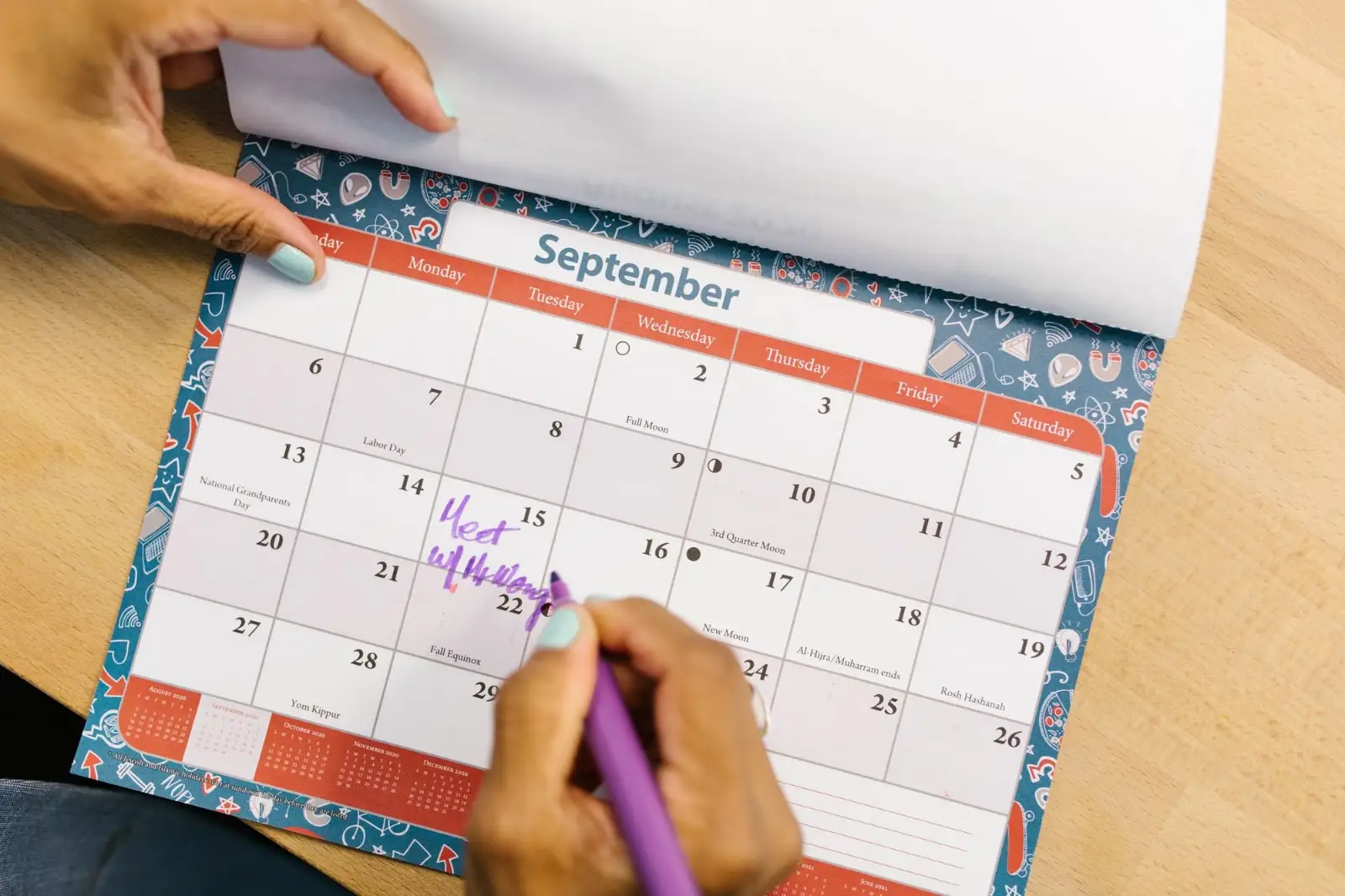
The most common setup I see is a form or ad that drops the prospect straight onto a booking page. It feels efficient. It's actually the moment you give up control.
A better flow for most established service businesses:
- Collect the form first. A few questions, nothing heavy.
- Review it. A person or a simple rule decides whether this lead is a fit.
- Then send the meeting link to qualified leads, and invite everyone who makes the decision, not just the person who filled out the form.
That one change cuts the no-shows that come from impulse bookings, and it means the right people are in the room when you make your pitch.
Turn your form into a qualifier
Your form is the cheapest sales filter you own. Most businesses use it as a contact card.
Start with a simple fork. Ask early whether the person is the one making the decision or researching for someone else. Buyers move toward a booking. Everyone else gets useful information and a way to bring the decision-maker in.
Then look hard at the fields you already have. Some questions quietly push away part of your audience without telling you anything useful. Replace them with questions that do real work:
- Which service are you interested in?
- When are you hoping to get started?
- Who else is involved in the decision?
If price is a common deal-breaker, add a gentle qualifier about investment. Wording matters here. A blunt budget question feels like a gate; a soft "we want to make sure we're a good fit" framing feels like respect. I use AI tools to draft a few softer versions, then pick the one that reads most like a real person.
Finally, check the plumbing. Every answer should land in the right field in your CRM, so your team sees it before the call and you can report on it later. A qualifying question nobody can see is wasted.
Test the new form against the old one
Don't swap everything at once and hope. Run the current form against a new version, for example one with required fields and an added contact field for the decision-maker, and compare what happens after the form: show rates, sales conversations and closed business.
Do the same with your ads. When you launch new creative, keep the existing ads running as a control. Otherwise you won't know whether the new message helped or you just got a good month.
If you're not sure where your funnel is losing quality, a marketing audit is a good way to find out before you rebuild anything.
Point your ads at the person who decides
Qualification starts before the form. If your ads reach people who rarely make the buying decision, no form will fully save you.
Look at who actually signs. Then adjust targeting to reach them, using demographic settings like age ranges where the platform allows it, and test a few ranges rather than guessing. Retargeting matters here too. People rarely buy on the first exposure, so keep showing up for the ones who visited, especially the decision-makers.
Consider an intake call as you grow
Once volume justifies it, an intake person can call new form fills quickly, have a warm, low-pressure conversation, confirm fit and hand qualified leads to sales. It's not the first fix. Get the form, the flow and the targeting right first. But it's a strong next step when your team is still spending too much time on unqualified calls.
Fast, consistent follow-up still matters after qualification. I cover that side in speed to lead.

The takeaway
Lead quality is designed, not hoped for. Put a short qualifying step between the ad and the calendar, ask questions that actually sort buyers from browsers, test changes against what you have now, and aim your ads at the people who decide.
Connecting ads, forms, CRM and sales into one system is a big part of my work as a fractional CMO. If your calendar is full but your pipeline isn't, book a 30-minute fit call and we'll see whether there's a fit.
Questions
How do I improve lead quality without losing volume?
Add a light layer of qualification instead of a hard wall. Ask what the person needs and when they want to start, route them based on the answers, and test the new form against the old one. You may get fewer bookings, but more of them should turn into customers.
Should I let every lead book a call directly?
Usually not. An open calendar invites people who are curious but can't buy. Collect a short form first, review it, then send the meeting link to qualified leads and make sure every decision-maker is invited.
Is it okay to ask about budget on a lead form?
Yes, if you word it gently. Frame it as making sure you're a good fit, and offer ranges or a simple yes or no rather than demanding a number. AI tools are useful for softening the wording, but read it as a prospect would before it goes live.
Why do so many booked sales calls no-show?
Often because the person who booked wasn't ready, wasn't the decision-maker, or booked on impulse. Qualifying before the booking, confirming right away and reminding before the call all help.
Where I can help
Related insights
- Speed to Lead: Why Lead Follow-Up Is the Real Growth ProblemMost owners ask for more leads. Most of the time, the faster win is answering the ones you already have. Here's how to find where your follow-up leaks.
- Paid Search Attribution: Platform Conversions vs. Real CustomersYour ad platform says it's working. Your revenue says otherwise. Here's how to connect clicks to real customers and judge paid search on what it actually earns.
- CRM Automation for Service Businesses: Close the Gaps Before You Buy New ToolsMost service businesses don't need another tool. They need the CRM they already pay for to route, tag and report on every lead. Here's where to start.