Working With a Fractional CMO: What Your Side Has to Bring

A fractional CMO engagement usually starts with a lot of energy. There's a kickoff, a plan, a list of quick wins. Everyone agrees on what needs to happen.
Then, in the ones that stall, the same thing happens. A meeting gets pushed. Then another. The website fixes that were agreed in week two are still "in progress" in month three. Eventually nobody books the next call, and the plan sits in a folder.
I've seen this from the advisor's chair, and it's rarely a strategy problem. It's a follow-through problem. If you're thinking about working with a fractional CMO, the most useful thing I can tell you is that the results depend as much on your side of the table as on theirs.
Treat it like a leadership hire, not a subscription
A fractional CMO isn't a software subscription you log into when you have time. It's a part-time executive. The value comes from someone senior owning growth, making calls and keeping the work moving.
That only works if the business treats the role the way it would treat any leader: with a seat at the table, real priorities and the expectation that agreed work gets done. If marketing is a "when we get to it" item for the owner, no outside leader can change that on their own.
Before you start, ask yourself a plain question: is growth actually a priority for the next six months, or is it competing with five other things? An honest answer saves everyone time.
Protect the meeting rhythm
The working session is where decisions get made and blockers get cleared. When it keeps moving, momentum goes with it.
A few habits that make a real difference:
- Put a recurring session on the calendar and treat it like a client meeting, not a placeholder.
- Come with updates on last session's actions, even if the update is "not done, here's why."
- Reschedule rather than cancel. Missing one week happens. Missing three in a row is a signal.
Consistency matters more than length. A focused, regular meeting beats an occasional long one.

Execute between meetings
This is where most engagements are won or lost. A fractional CMO gives you direction, priorities and specific next steps. Someone still has to do them.
If the plan says update the website, fix the lead form or launch the campaign, those tasks need an owner on your side and a due date. When the answer to "did we get to it?" is "still working on it" week after week, the engagement turns into a series of good conversations that change nothing.
A simple shared action list helps: what was agreed, who owns it, when it's due. Review it at the top of every session. It keeps both sides honest. A marketing strategy workshop is a good way to agree on that first list before ongoing work begins.
Give access and a decision-maker
A fractional CMO can't lead what they can't see. Give them access to the ad accounts, analytics, CRM and website from the start, along with the agencies and vendors they'll be steering.
Just as important, make sure a real decision-maker is involved. If every recommendation has to wait for someone who isn't in the room, weeks disappear. Engagements move fastest when an owner or leader can say yes, no or "not now" on the spot.

Agree on what commitment looks like
Good partnerships work when both sides have something on the line. The advisor commits time, attention and accountability for results. The business commits to showing up, making decisions and carrying out the work.
Spell that out at the start. Agree on the meeting rhythm, who on your team owns execution, how quickly decisions get made and what you'll review at 30 and 90 days. If you're still deciding whether you need this kind of role at all, start with what a fractional CMO is and when you need one.
Reset early instead of letting it drift
Every engagement hits rough patches. Priorities change, a busy season lands, a key person leaves. That's normal. What hurts is letting it quietly fade.
If something isn't moving, say so, from either side. Name what's stuck, agree on what changes and set a date to check again. A good fractional CMO will raise it first. And if the timing really is wrong for the business, pausing on purpose is far better than paying for a plan nobody is working.
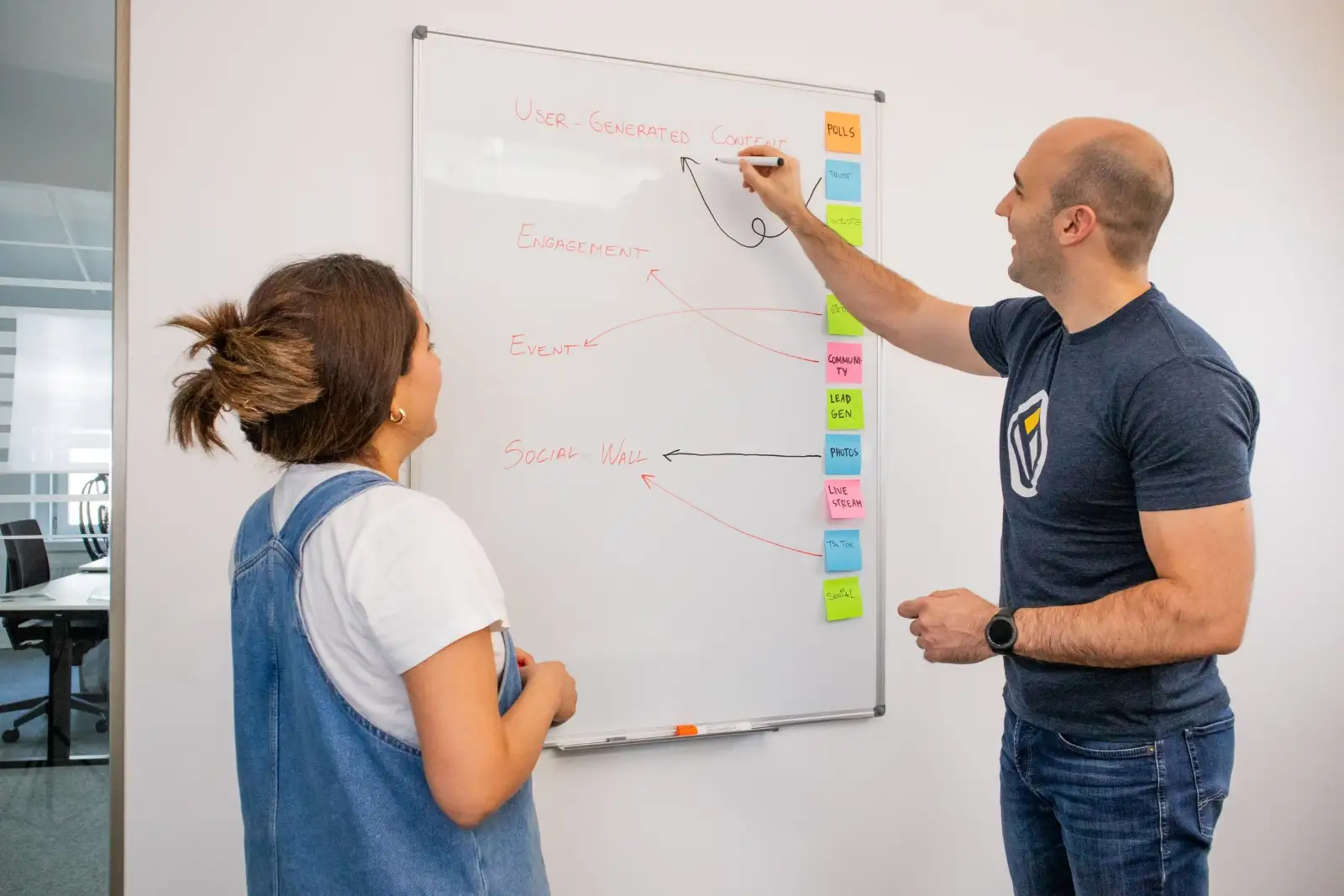
The takeaway
A fractional CMO brings senior strategy and accountability. Your business brings priority, a steady meeting rhythm, follow-through between sessions, access and a decision-maker. Get those right and the plan turns into results. Skip them and even the best strategy stays on paper.
If you're weighing whether a fractional CMO is the right next step, and whether your team is ready to work with one, book a 30-minute fit call. We'll talk through your goals and give you an honest answer on fit.
Questions
What should I expect when working with a fractional CMO?
Expect a senior leader who owns the growth plan, sets priorities and holds people accountable for part of the week. In return, expect to give them a steady meeting rhythm, access to your numbers and tools, and a decision-maker who can say yes or no quickly.
Why do fractional CMO engagements fail?
Usually not because the strategy is wrong. They stall when meetings keep getting moved, agreed actions don't get done between sessions and nobody on the business side owns the follow-through. Recommendations that never ship can't produce results.
How much of my time does a fractional CMO need?
Less than running marketing yourself, but not zero. Plan on a regular working session, quick answers on decisions and someone on your team with time to carry out the work between meetings.
What should I do if the engagement feels stuck?
Say so early and be specific. Name what isn't moving, agree on what changes and set a date to check again. If the timing is wrong for the business, it's better to pause on purpose than let it drift.
Where I can help
Related insights
- What Is a Fractional CMO? (And When Your Business Needs One)A fractional CMO gives you senior marketing leadership without a full-time executive salary. Here's what the role means, what it covers and how to tell if your business is ready.
- How to Improve Lead Quality: Qualify Leads Before They BookA full calendar isn't the same as a full pipeline. Here's how I help service businesses qualify leads before they book, so sales time goes to real buyers.
- AI Workflow Automation: Stop Being the Copy-Paste Between Your AI ToolsMany teams use three or four AI tools and still act as the messenger between them. Here's how to set up AI workflow automation so the handoffs run themselves.